
Coaching Wellness: How to Build a Thriving Community for Recurring Revenue
Published on June 1, 2026 · Reading time: 17 min
Wellness coaching has moved way beyond just one-on-one sessions. It’s now about building holistic, supportive communities that stick. This approach weaves mindset, habit, and lifestyle coaching into one continuous experience.
The result? Your clients get a much deeper transformation, and you build a more sustainable, recurring income stream.
Moving From Solo Sessions To Thriving Communities
Picture this: your calendar is a wall of back-to-back 1:1 client calls. You’re definitely helping people, but you’re also trading every single hour for income and starting to feel the tell-tale signs of burnout.
You find yourself repeating the same core advice in every session, wishing you could just get your clients to connect with each other for that extra layer of support. This is the tough reality for so many wellness coaches stuck in the old session-based model. But a powerful shift is underway.
Clients in 2026 aren't just looking for a quick fix or a single consultation anymore. They crave continuous support, a real sense of belonging, and a space where they can build healthy habits that actually last. This is exactly where community-based wellness coaching shines. Instead of just solving one problem, you get to guide members on a complete journey.
The Power of Holistic Support
A community model lets you integrate the three core pillars of wellness coaching in a way that feels completely natural. This creates a far richer and more effective experience for everyone involved.
To really get how these pieces fit together, it helps to see them laid out.
Core Pillars of Holistic Wellness Coaching
| Coaching Pillar | Focus Area | Example Member Goal |
|---|---|---|
| Mindset Coaching | Limiting beliefs, self-talk, motivation | “I want to stop my negative self-talk when I miss a workout.” |
| Habit Formation | Daily routines, consistency, accountability | “I need help sticking to my goal of meditating for 10 minutes every morning.” |
| Lifestyle Integration | Nutrition, stress management, sleep | “I want to find healthy, quick meal ideas that fit my busy schedule.” |
This integrated approach is precisely what people are desperately searching for. The global health coaching market is seeing explosive growth, on track to hit a staggering $34.8 billion by 2031.
This boom is fueled by a growing awareness of the pitfalls of our modern lifestyles and a deep desire for solutions that address physical, mental, and emotional health together. With over 50 million U.S. adults grappling with mental or emotional health challenges, the demand for accessible, ongoing support has never been clearer.
The real magic happens when members start supporting each other. A client celebrating a small victory inspires the whole group. Someone sharing a struggle finds comfort and advice not just from you, but from their peers. This peer-to-peer connection is something 1:1 coaching can never replicate.
This shift doesn't just benefit your clients; it completely transforms your business. Moving to a community model means you stop grinding away in a time-for-money trade and start building a scalable, recurring revenue stream. You can learn more about this in our complete guide on coaching community monetization.
The best part? You don't need a suite of complicated tech. Simple, familiar tools like WhatsApp or Telegram are becoming the new hubs for these supportive wellness ecosystems, making it easier than ever to get started.
Designing Your Signature Wellness Program
What separates a random collection of wellness tips from a program that actually changes lives? It all comes down to structure. Your signature program is the unique, repeatable journey you guide your members on—a blueprint for real change that showcases your specific coaching style. This is where the real work of wellness coaching begins.
Think of yourself as the architect of that change. Before you can even think about laying the first brick, you need a detailed plan. The most effective programs I've seen are always built on a solid foundation, which means getting crystal clear on your niche and then building your content around the three core pillars.
Find Your Focus Niche
You can't be everything to everyone. It’s a classic mistake, and it kills programs before they even start. The most successful coaches I know zero in on a specific group of people who share a single, urgent problem. This allows you to create content that speaks directly to their struggles and their goals in a way that feels incredibly personal.
So instead of just “wellness,” get specific. For example:
- Stress Management for Entrepreneurs: Addressing the unique pressures of burnout, high-stakes decisions, and the elusive work-life balance.
- Mindful Eating for Busy Parents: Focusing on quick, healthy meals and helping break the cycle of emotional eating when life gets chaotic.
- Building Resilience for Remote Workers: Tackling the very real issues of loneliness, motivation dips, and creating a healthy divide between home and work.
When you narrow your focus like this, your messaging instantly becomes more powerful. Your program stops being a “nice to have” and becomes the obvious, must-have solution for your ideal client.
A program designed for everyone is a program designed for no one. A sharp focus makes your coaching irresistible to the people who need you most, creating a community of members who feel truly understood from day one.
Once you have your niche locked in, you can start building the actual content. Let's imagine a coach creating a “30-Day Mindful Living” program for overwhelmed professionals. Their goal is to weave mindset, habits, and lifestyle changes into a cohesive experience that delivers real results.
Weave Together Mindset, Habits, and Lifestyle
A truly great wellness journey has to address more than just surface-level actions; it gets to the very thoughts that drive them. To create lasting change, your program must integrate all three of these pillars.
- Mindset: This is the “why” behind it all. It’s about helping your members uncover the limiting beliefs holding them back and cultivating a new, empowering internal dialogue. For our “30-Day Mindful Living” program, this could mean weekly themes on self-compassion or letting go of perfectionism.
- Habits: This is the “how”. It’s all about creating small, repeatable daily actions that build unstoppable momentum. Think daily prompts in a chat group for a 5-minute breathing exercise or a simple gratitude check-in.
- Lifestyle: This is the “what”. This is where you deliver the practical, real-world application of their new mindset and habits. These are the tangible resources like guided meditation audios, PDF recipe books for quick meals, or a printable sleep tracker.
This visual shows the typical journey a client takes as they move away from burnout and toward a community-based wellness model.
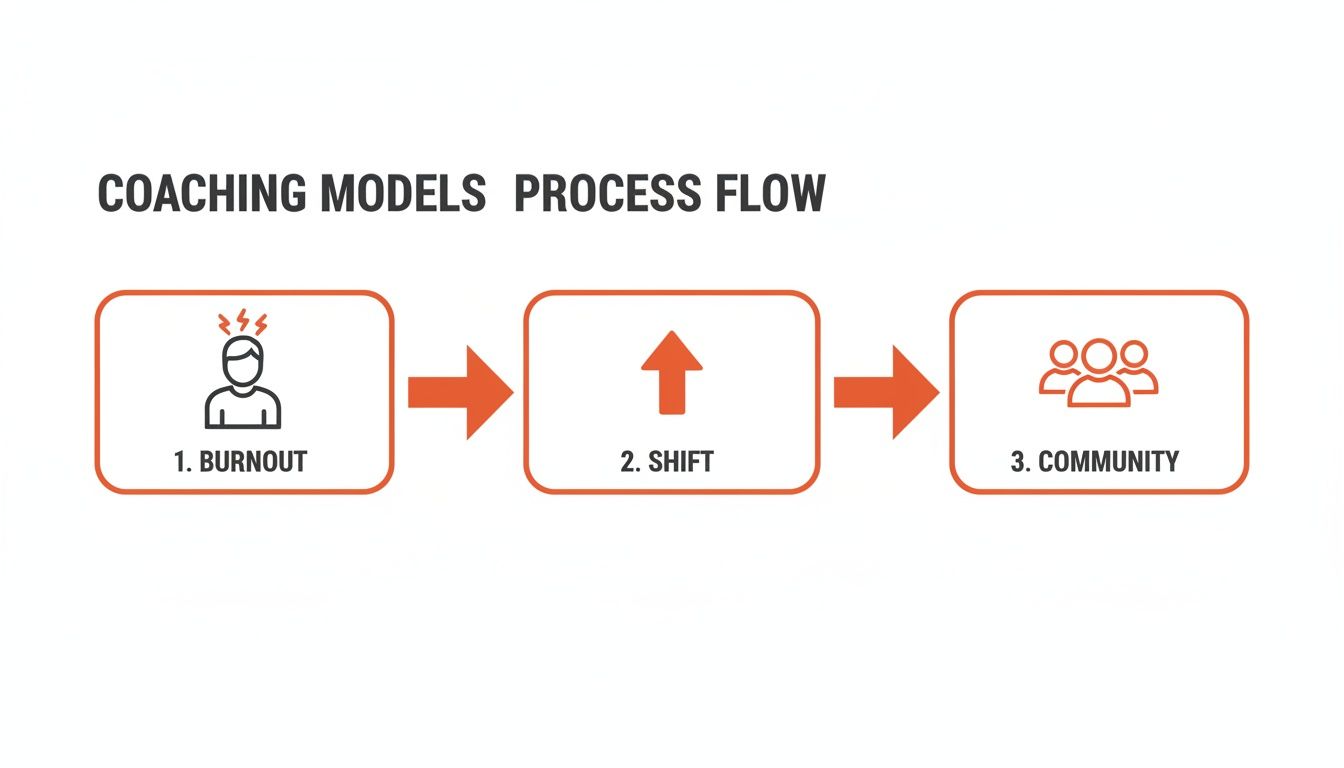
The process illustrates a clear shift away from individual struggle and toward the support and shared progress found in a well-designed coaching community. Your program is the bridge that makes this critical transition possible for your members.
When you structure your program this way, you give members a clear path to follow. They aren't just getting random tips dropped on them; they're part of a deliberate, step-by-step process. Each week builds on the last, ensuring your members feel a constant sense of progress and stay engaged for the long haul. This is the very core of effective coaching wellness—guiding members on a clear, well-lit journey to a better version of themselves.
Structuring Your Membership Tiers And Pricing
Figuring out how to price your wellness program can feel like one of the biggest hurdles, but it doesn’t have to be a guessing game. The goal isn't just to pull a number out of thin air; it's to build clear, compelling options that match the value you're providing and make perfect sense to your future members.
A subscription model is the secret to creating predictable income. It’s what frees you from the exhausting feast-or-famine cycle of chasing one-off clients. Think of it like a “Good, Better, Best” menu—an approach that lets people choose the level of support they need and can afford, while giving you a clear path to upsell them as they get more invested.
The Value-Based Pricing Mindset
Before you even think about dollar amounts, you need to shift your mindset. You're not charging for your time; you're charging for the transformation you make possible. You aren't selling access to a chat group. You’re selling a future where your members sleep better, feel less stressed, and are finally in control of their health. That outcome is worth far more than any hourly rate.
This isn't just a theory; it's where the entire industry is headed. The digital health coaching market, valued at over $10.9 billion in 2024, is on track to double by 2030. This explosive growth is fueled by a global demand for preventive care, especially with over 1.9 billion adults worldwide classified as overweight or obese. For many, online coaching is the obvious choice for its accessibility and flexibility. You can dive deeper into these market trends and their impact at Spencer Institute.
Your pricing should reflect the outcome, not just the output. A member who overcomes years of poor sleep or finally builds a consistent fitness routine has gained something priceless. Price your tiers based on that life-changing result.
Building Your Three Tiers
A three-tier structure is brilliant because it gives people a sense of choice without overwhelming them. Each tier should build on the last, offering progressively more access, personalization, and support.
Here’s a simple framework you can steal and adapt:
- Tier 1 (The Community): This is your most accessible entry point. It’s a perfect fit for self-starters who want guidance and the energy of a community but don't need constant hand-holding.
- Tier 2 (The Enhanced Experience): This is your middle tier and, more often than not, the most popular choice. It bundles everything from Tier 1 but adds more direct access to you, like weekly group coaching calls or dedicated Q&A sessions.
- Tier 3 (The Premium Partnership): This is your high-ticket offer for people who want the most personalized support possible. It takes all the community and group elements and adds true 1:1 access, like monthly check-in calls or direct feedback on their progress.
This tiered system lets you serve a much wider audience. It also creates a natural ladder for your members to climb as their needs and commitment grow.
Example Wellness Coaching Membership Tiers
This table shows how you can package your features to create a clear sense of progression. Notice how each tier adds a layer of value, making the decision to upgrade feel like a natural next step.
| Feature | Tier 1 Community | Tier 2 Enhanced | Tier 3 Premium |
|---|---|---|---|
| Private Chat Group | ✔️ | ✔️ | ✔️ |
| Daily Prompts & Challenges | ✔️ | ✔️ | ✔️ |
| Resource Library (PDFs, Audios) | ✔️ | ✔️ | ✔️ |
| Weekly Group Coaching Call | ✔️ | ✔️ | |
| Monthly Themed Workshops | ✔️ | ✔️ | |
| 1:1 Monthly Check-in Call | ✔️ | ||
| Personalized Feedback | ✔️ |
When you structure your program this way, you create a clear value ladder. New members can start where they feel most comfortable and see a clear path to upgrade when they’re ready for more. This not only maximizes your income potential but, more importantly, ensures your members get the right level of support at every stage of their journey.
Setting Up Your Tech The Simple Way
Feeling overwhelmed by the tech side of things? A lot of coaches get stuck here, thinking they need a complicated website or expensive software to launch a professional program. That’s a total myth.
The truth is, you can build a seamless, automated, and professional system using the simple chat apps you and your clients are already on every single day.
The heart of a modern coaching wellness community isn't about flashy tech. It's about creating a direct, simple, and supportive space for your members. Platforms like WhatsApp, Telegram, or Discord are perfect because they remove all the friction. Your clients are already there, which makes it incredibly easy for them to actually engage with your content.
You don't need to spend weeks wrestling with a custom site. The entire setup can be boiled down to three simple, non-technical steps that take just a few minutes.
The Three-Step Launch Process
Your goal is to create a smooth, automated path that takes someone from seeing your offer to joining your private group—with zero manual work from you. It’s all about putting the admin tasks on autopilot so you can focus 100% on what you do best: coaching.
This process involves three key pieces that work together seamlessly:
- A Subscription Link: This is your digital storefront. It’s a single, shareable link where new members can see your tiers, pick a plan, and sign up.
- A Payment Processor: This is the secure engine that handles the money. It safely processes credit card payments for your monthly or annual subscriptions.
- An Automation Connector: This is the magic that ties it all together. It automatically grants access to your private chat group the moment someone pays and revokes it if their subscription ever ends.
Think of it like setting up a coffee subscription. The customer picks their plan online (the subscription link), their card gets charged automatically each month (the payment processor), and the coffee shows up at their door without you lifting a finger (the automation).
The best tech is invisible. It works flawlessly in the background, making life easier for both you and your members. Your clients get instant access, and you get paid without chasing invoices or manually adding people to groups.
Putting It All Together
Setting this up is far easier than it sounds. You create your subscription page, connect your Stripe account to handle the payments, and then link it to your chosen WhatsApp group or Discord server. That's it.
Once it's live, your workflow becomes incredibly simple. You just post the link on social media, in your email newsletter, or share it directly with potential clients.
- A new member clicks the link and subscribes.
- The system automatically and securely processes their payment.
- They are instantly added to your private coaching group.
This hands-off approach is crucial for scaling your business without burning out. With studies showing that nearly 70% of workers have experienced burnout, automation is your best defense. It frees up your time and energy to create a better experience for your community.
This simple tech stack ensures your business runs smoothly, whether you're leading a coaching call or taking a well-deserved day off. It empowers you to launch a professional, recurring revenue business and focus on member transformation, not tedious admin.
How To Onboard And Engage Your Community
A bustling, active community isn't just about good content. It’s built on real connection and consistent interaction. The exact moment a new member joins is your single biggest chance to set the right tone for their entire journey with you. A strong start is what turns a passive lurker into a genuine participant, setting you up for long-term success.
Imagine your community is a small, welcoming party. You wouldn't just let a guest wander in without a warm greeting, a few introductions, and a quick tour. Your onboarding should do exactly that, creating a sense of safety and belonging from the very first minute. This initial welcome is the first and most critical step in successful coaching wellness.
Crafting The Perfect Welcome
Those first 48 hours are everything. Your goal is to make a new member feel seen, valued, and confident they've made the right move. A clunky or silent welcome makes them second-guess their purchase, while a thoughtful one proves they made a great choice.
Here’s a simple but powerful onboarding sequence:
- The Instant Welcome: The second they land in your WhatsApp or Telegram group, an automated welcome should hit them. This isn't just a “hello.” It needs to point them to the very next step, like checking out the rules or posting a quick intro.
- Clear Rules of the Road: Pin a message or a document with your community guidelines. This isn't about being strict; it's about building a safe space. Cover things like respectful communication, a no-spam policy, and how to get help.
- A Personal Touch: Within 24 hours, shoot them a direct, personal message. A simple, “Hey, [Name]! So glad you're here. What's the #1 thing you're hoping to achieve with us?” goes an incredibly long way. It shows you actually care about their individual journey.
This structured welcome doesn’t just make members feel good; it shows them you’re a pro who has thought through their entire experience.
Fostering Daily Engagement And Momentum
Once your members are settled in, your job is to keep the energy up. A silent chat group is a community killer. You have to be the spark that keeps the fire going by creating consistent rituals that members can build their day around.
A community thrives on predictability and shared experience. Daily check-ins and weekly themes aren't just content—they are the heartbeat of your group, creating a rhythm that members can sync their lives to.
Here are some proven tactics to keep your wellness community buzzing:
- Daily Accountability Check-ins: Kick off each day with a simple prompt. “What's one healthy choice you're committing to today?” or “Post a sweaty selfie after your workout!” This gets people talking and reinforces good habits.
- Themed Discussion Days: Give your week a structure. “Mindful Mondays” could be for meditation prompts, while “Foodie Fridays” is perfect for sharing healthy recipes. This predictability gives members a reason to check in.
- Member Shout-Outs and Wins: Actively look for people making progress and celebrate them publicly. Tagging someone with, “Awesome job hitting your water goal three days in a row, @Jane!” not only motivates Jane but inspires everyone else.
- Fun Wellness Challenges: Run short, week-long challenges to inject some excitement. A “7-Day Sugar-Free Challenge” or a “Walk 10,000 Steps a Day Challenge” is a great way to boost participation and friendly competition.
These engagement strategies are non-negotiable. The health coaching market is projected to surge from $19.5 billion in 2025 to over $45 billion by 2034, fueled by a massive demand for holistic solutions. With 70% of workers reporting burnout, accessible, community-based support is no longer a luxury—it's essential. Engaged groups are what keep members paying and participating. As detailed in these industry shifts and opportunities on the Functional Medicine Coaching Academy blog, by creating a genuinely supportive and active space, you are perfectly positioned to meet this growing need.
Your Blueprint For A Sustainable Coaching Business
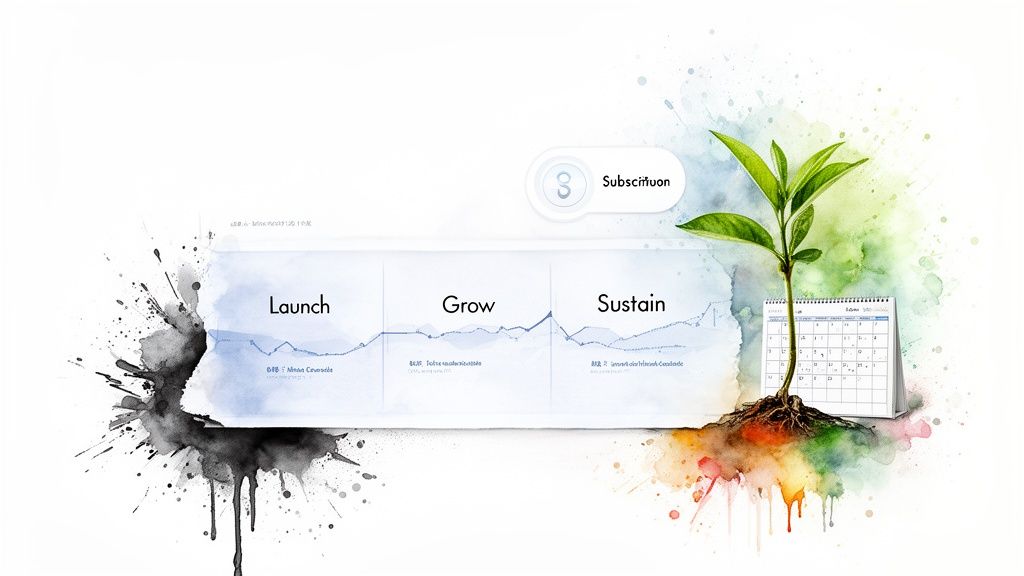
We've just walked through the entire roadmap for turning your expertise into a real, scalable business. This is your path away from the exhausting cycle of trading hours for dollars and into your new role as the leader of a thriving wellness community—all powered by a stable, recurring income stream. It’s a fundamental shift in how you approach your coaching wellness practice.
And let's be clear: this isn't some far-off dream reserved for celebrity coaches. Building an impactful wellness membership is completely within your reach, right now. You don't need a massive marketing budget or a degree in computer science to get started.
From Coach To Community Leader
The blueprint we've covered lays out a clear, repeatable process. It’s about so much more than just making money; it’s about architecting a space where your members achieve deep, lasting change. That's the ultimate win in wellness coaching.
- Design a Signature Program: You now know how to carve out your niche and build your curriculum around the core pillars of mindset, habits, and lifestyle.
- Structure Your Offer: You have a solid framework for creating value-packed membership tiers that make your expertise accessible to more people.
- Automate Your Tech: You’ve seen how to stitch together a simple, hands-off system with tools you already know, freeing you from endless admin tasks.
- Engage Your Members: You're armed with real strategies for onboarding new members and nurturing a supportive community where people feel truly seen and connected.
This whole model is engineered for sustainability—both for you and for your members. Your community creates a powerful support system for them, while the subscription model provides the financial stability you need. For a deeper dive, check out our guide on creating recurring revenue.
You are no longer just a coach; you are the architect of an ecosystem. This business model allows you to deliver your expertise at scale, helping more people without burning yourself out in the process.
Modern platforms are built specifically to take the tedious work off your plate, like processing payments and managing who gets into your chat groups. This automation is what unlocks your freedom. It lets you stop being the bottleneck in your own business and focus 100% on what you love—guiding your clients through their transformations.
You have all the strategies and the tools. It’s time to build the impactful, sustainable coaching business you've always imagined.
A Few Common Questions
When you're diving into a community-based model, a few questions always pop up. Let's tackle the big ones head-on so you can move forward with total confidence.
How Much Content Do I Need Before I Launch?
You absolutely do not need a massive library of content to get started. In fact, trying to build one is a classic rookie mistake. The goal is to start lean. Just aim to have your first month of content planned out before you open the doors.
Honestly, this is way more manageable than it sounds. For a four-week program, you're just looking at:
- Four weekly themes to give your coaching a clear focus.
- Daily prompts or check-ins to get the conversation started in your chat.
- One or two key resources, like a guided meditation audio file or a simple PDF worksheet.
The secret is to stay just one step ahead of your members. You can—and should—build out the rest of your content as the community grows and you see what they actually need. This approach gets you out of the content-creation cave and into coaching, fast.
What If My Community Is Too Quiet at First?
It's completely normal for a new group to be quiet. Don't panic! You are the leader, and your energy sets the tone for the entire space. It’s your job to be the spark that gets the fire going.
In the beginning, you'll probably be the most active person in the group, and that's okay. Use your daily prompts, ask easy, open-ended questions, and don't be afraid to tag specific members to gently pull them into a conversation. When someone shares a win, no matter how small, celebrate it publicly. Your consistent presence shows everyone it's a safe and active space to participate in.
Your initial energy is an investment. By consistently showing up and starting conversations, you are modeling the exact behavior you want to see from your members. It won't take long for them to follow your lead.
Can I Run This Alongside My 1:1 Coaching Clients?
Absolutely. A community membership is the perfect complement to a 1:1 coaching practice. It’s how you build a complete coaching wellness business that can serve people at different price points and commitment levels.
Think of it this way: the community acts as a perfect entry-level offer for clients who aren't quite ready for the investment of 1:1 coaching. It's also a fantastic “continuation” plan for 1:1 clients who've finished their main package but still want that ongoing support. This structure creates a natural client journey, keeping people inside your world for much longer.
Ready to stop juggling admin and start building your community? Join My Coach automates payments and member access for your WhatsApp or Telegram groups, so you can focus entirely on coaching. Launch your community in minutes.